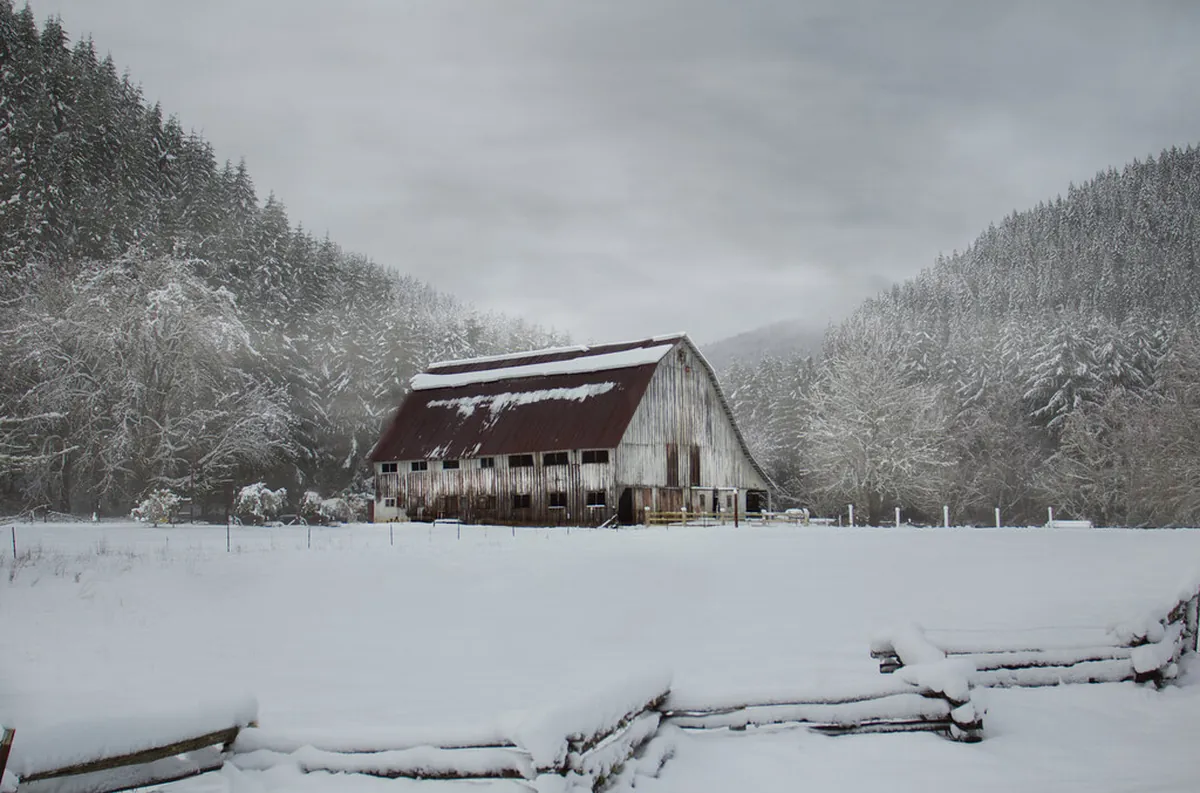
How snow loads cause collapse
Fresh, dry powder is light. Settled snow, wet spring snow and ice layers are not. A roof that carries a deep snowpack, then gets rain on top, can exceed its design load. Older barns, additions built without permits and low-slope roofs with drifting are the most vulnerable. Snow load collapse claim appraisal in Vermont values the structural repair and the damage that follows a failure.
What the policy calls it
Many policies list collapse as an additional coverage with its own wording, and separately cover the weight of ice, snow or sleet as a named peril or within broad coverage. Some limit coverage for fences, pavement, docks, awnings or outbuildings. Farm policies may treat barns under scheduled coverage with a stated limit. The words matter: “collapse” is sometimes defined as an abrupt falling down, which excludes sagging, bowing or cracking alone.
Where collapse estimates fall short
- No engineer. Structural repairs priced without an engineer’s scope often miss shoring, sistering, new trusses or foundation work.
- Demolition and debris. Removing a collapsed roof safely is expensive.
- Code upgrades. Rebuilt framing may have to meet current snow-load requirements if ordinance or law coverage applies.
- Contents and equipment. Machinery, hay and stored goods under a failed roof.
Estimate the load yourself
Our roof snow load estimator gives a rough weight of the snow on a roof from its depth and type. It is not an engineering analysis, but it helps explain why a roof failed and why the carrier’s description of “gradual deterioration” may not fit.
Questions about this service
Is sagging covered, or only a full collapse?
That depends on how your policy defines collapse. Some require an abrupt falling down; others are broader.
Do I need an engineer?
For structural damage, yes. An engineer’s report usually sets the scope that the estimate prices.
Are barns covered?
Barns are often covered as other structures or under a farm policy, sometimes with lower limits. Check the declarations.