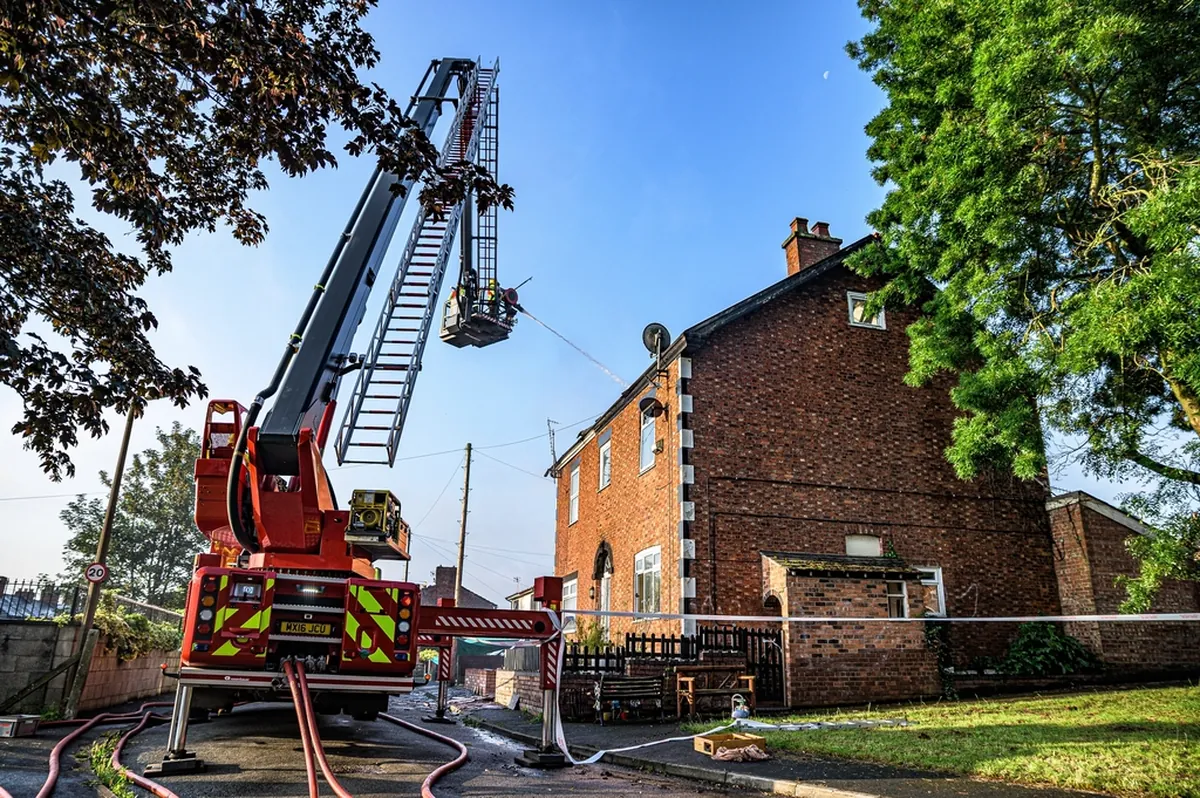
Heating season fires
Many Vermont households heat partly or fully with wood or pellets. Creosote buildup, cracked flue tiles and stoves installed too close to combustibles cause chimney and structure fires every winter. Older electrical systems and space heaters add to the risk. Fire and smoke claim appraisal in Vermont has to deal with all three kinds of damage a fire leaves: burn, smoke and the water used to put it out.
Where fire estimates fall short
- Clean versus replace. Soot on porous materials such as insulation, unfinished wood and soft goods often cannot be cleaned successfully.
- Smoke migration. Smoke reaches attics, wall cavities and HVAC ducts far from the fire room.
- Odor control. Sealing framing, thermal fogging and duct cleaning are real line items.
- Structural framing. Charred members need an engineer’s review, not a guess.
- Chimney rebuilds. Relining or rebuilding a masonry chimney above and below the roofline.
Total losses and policy limits
When a house is destroyed, the dispute often shifts from line items to the cost to rebuild versus the policy limit. Vermont rebuilding costs in remote towns can be higher than software defaults, because of travel, material delivery and short building seasons. We document local cost factors so the panel can weigh them.
Contents
A fire usually includes a large contents claim. We can review the contents inventory and pricing alongside the building, or focus on the dwelling while you handle contents.
Questions about this service
Is a chimney fire covered if the stove was old?
Fire damage is generally covered regardless of the appliance’s age, though the condition of the chimney itself may be argued as maintenance. Each policy differs.
Can smoke damage alone be appraised?
Yes. Smoke-only losses are common and often under-scoped.
What if the house is a total loss?
Appraisal can address the actual cash value or replacement cost of the dwelling, subject to the policy’s limits and terms.